Contact Allergy to Essential Oils: Why "Natural" Botanical Extracts Cause Severe Eczema Surges
What Is a Contact Allergy to Essential Oils?
A contact allergy to essential oils is an immune-mediated skin reaction that occurs when the body's immune system identifies specific chemical compounds within botanical extracts as harmful. Unlike an irritant reaction, contact allergy involves sensitisation — meaning the immune system has previously encountered the substance and now mounts a heightened response upon re-exposure.
In practical terms, this can mean a moisturiser labelled "natural" or "botanical" may still contain compounds capable of triggering significant skin inflammation, particularly in individuals with pre-existing eczema or sensitive skin. The reaction is not a sign of weakness — it is simply how a sensitised immune system responds.
The "Natural" Paradox: Why Botanical Doesn't Always Mean Safe
One of the most persistent misconceptions in UK skincare culture is that natural ingredients are inherently safer than synthetic ones. In reality, many essential oils contain complex mixtures of bioactive chemical compounds — some of which are among the most potent contact sensitisers identified in dermatological research.
The European Scientific Committee on Consumer Safety (SCCS) has flagged numerous fragrance allergens found in widely available botanical products. In the UK, labelling regulations require disclosure of 26 known fragrance allergens — yet many consumers remain unaware of their personal sensitivity, including how these compounds overlap with common fragrance mix sensitisation patterns.
Practical Insight: The word "natural" on a product label does not indicate hypoallergenic status. Some of the most common culprits behind eczema flares are found in products marketed as clean, organic, or plant-based.
Common Essential Oils Associated with Contact Allergy
| Essential Oil | Key Sensitising Compounds | Commonly Found In |
|---|---|---|
| Lavender | Linalool, linalyl acetate | Lotions, sleep aids, candles |
| Tea Tree | Terpinen-4-ol (oxidised) | Cleansers, acne products |
| Ylang Ylang | Isoeugenol, benzyl benzoate | Perfumes, hair oils |
| Peppermint | Menthol, pulegone | Balms, toothpaste, massage oils |
| Clove | Eugenol | Dental products, spice extracts |
| Bergamot | Bergapten, limonene | Aromatherapy, teas, sunscreens |
| Cinnamon | Cinnamaldehyde | Seasonal skincare, food fragrances |
How Does Contact Allergy Differ from Irritant Skin Reactions?
Understanding the distinction between contact allergy and general skin irritation is important when interpreting symptoms.
Contact Allergy (Allergic Contact Dermatitis):
- Involves immune system sensitisation
- May not appear until 48–72 hours after exposure
- Can worsen with each subsequent exposure
- May spread beyond the point of contact
Irritant Contact Dermatitis:
- Occurs due to direct chemical damage
- Often immediate
- Does not require prior sensitisation
- Typically confined to the area of contact
Both types can cause redness, itching, blistering, and skin weeping — but only contact allergy represents a true immune-mediated response. Identifying which category applies to your skin reactions may influence how you manage product choices and environmental exposures.
Eczema Surges and Essential Oils: What the Pattern Can Suggest
Individuals living with atopic eczema are often more susceptible to developing contact allergies. The compromised skin barrier associated with eczema allows a greater volume of chemical compounds to penetrate the deeper layers of the skin, potentially triggering sensitisation more readily.
If your eczema appears to:
- Flare after using new skincare, haircare, or aromatherapy products
- Worsen seasonally when scented products are more prevalent
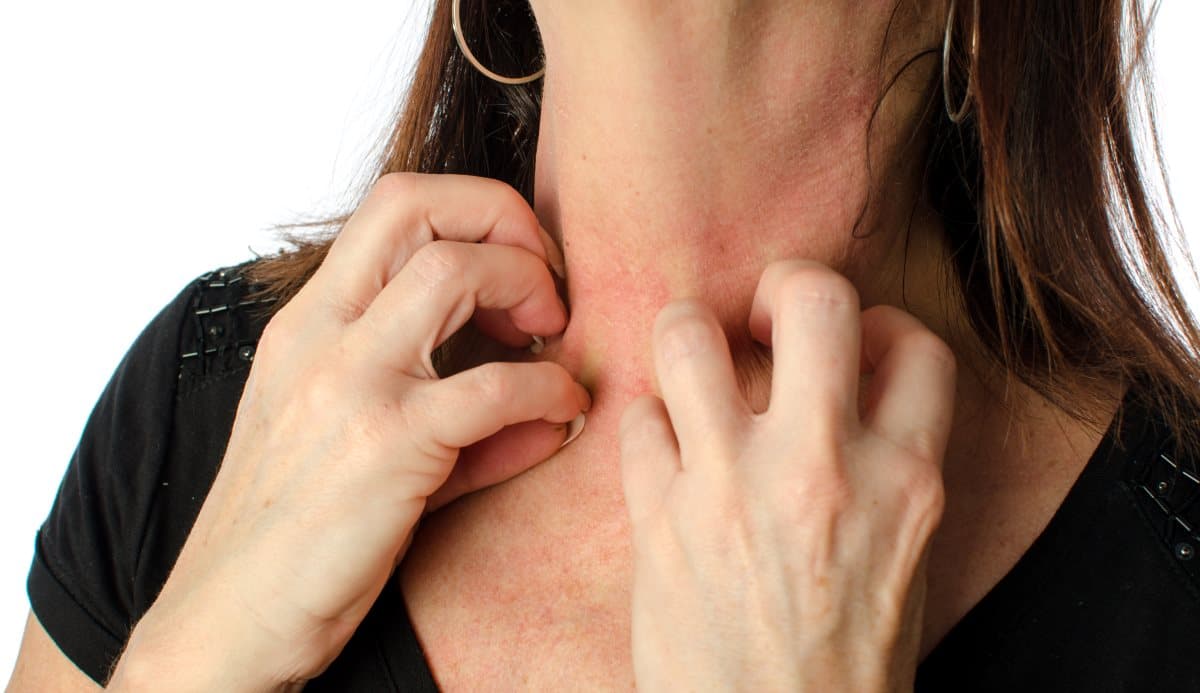
- Affect unusual areas such as the eyelids, neck, or wrists (common with perfumes and oils)
- Respond poorly despite conventional moisturising routines
…then contact allergy to an essential oil or botanical ingredient may be a contributing factor worth investigating.
Practical Insight: Keeping a product diary — noting which items you used and when skin changes occurred — can help you identify potential patterns before undergoing formal allergy testing.
Who Should Consider Allergy Testing for Essential Oil Sensitivity?
Allergy testing for contact sensitisers may be worth considering if you:
- Experience recurring, unexplained eczema or skin rashes
- Notice that reactions appear after using scented or botanical products
- Have tried multiple skincare products without improvement
- Use essential oils in a professional or domestic setting regularly
- Have a known history of fragrance sensitivity
This is particularly relevant in London, where urban environments, stress, and high exposure to varied personal care products may compound existing skin sensitivities. At The Allergy Clinic, our nurse-led service offers structured allergy testing and detailed reporting to help you understand your individual reactivity profile. Suitability for testing is subject to individual clinical assessment.
What Does Allergy Testing for Contact Sensitisers Involve?
Allergy testing for contact reactions — including those caused by essential oils — typically uses methods designed to assess how the skin responds to specific compounds. Results can indicate which substances the immune system may be reacting to, allowing individuals to make more informed choices about the products they use.
Our clinic provides testing and reporting services only. We do not offer prescriptions, treatments, or specialist referrals. However, a clear, professionally compiled test report can provide valuable information to share with an appropriate healthcare professional if further guidance is required.
For information about related contact sensitiser patterns in medicated products and topical compounds, see our guide to ethylenediamine sensitivity.
Understanding Your Results: What Reactions May Indicate
When test results suggest a contact sensitivity to a particular essential oil or botanical compound, this may indicate:
- Sensitisation — the immune system has learned to recognise this compound as a potential threat
- Cross-reactivity — sensitivity to one compound may suggest possible reactions to related substances (e.g., sensitivity to linalool in lavender may correlate with sensitivity in other linalool-containing products)
- Cumulative exposure risk — multiple mild sensitivities to different fragrance components may add up to a more pronounced overall reaction
Results should always be interpreted in context. Our team provides clear, accessible reporting, and we encourage individuals to discuss their findings with an appropriate healthcare professional if they have ongoing clinical concerns.
Practical Insight: Allergy test results are most useful when combined with a thorough personal product history. Identifying the source of a sensitivity is often the first step toward meaningfully reducing exposure.
London Relevance: Why Urban Residents May Be at Higher Risk
Research has suggested that urban dwellers may face a higher cumulative exposure to environmental allergens and chemical sensitisers — from air pollution interacting with fragrance compounds to the sheer density of personal care products used in city living.
In London particularly, the wellness industry has seen a significant surge in aromatherapy products, botanical skincare ranges, and essential oil diffusers. While many people use these products without issue, for those with an underlying contact sensitivity, the growing prevalence of essential oil-based products increases exposure frequency.
If you are based in London and experiencing recurring, unexplained skin reactions, understanding your allergy profile may help you navigate product choices with greater awareness, though results should always be reviewed alongside professional clinical guidance.
How Often Should You Consider Retesting?
Contact allergy profiles can change over time. Sensitivities may develop following sustained exposure, or previously identified reactions may become less pronounced as exposure is reduced. As a general guide:
- If symptoms persist despite avoiding known triggers, retesting may provide updated information
- Individuals who regularly work with essential oils (therapists, beauty professionals, candle makers) may benefit from periodic reassessment
- Those who have not been tested but have noticed a consistent pattern of reactions over several months may find initial testing particularly informative
Frequency of testing is best discussed with an appropriate healthcare professional in the context of your broader health history.
Frequently Asked Questions
What is a contact allergy to essential oils?
A contact allergy to essential oils is an immune system response triggered by specific chemical compounds in botanical extracts. The skin becomes sensitised after initial exposure and reacts — often with redness, itching, or eczema flares — upon subsequent contact. It differs from general irritation as it involves a true immune-mediated mechanism.
Can natural or organic products still cause allergic skin reactions?
Yes. Natural and organic labels do not guarantee hypoallergenic status. Many botanical extracts contain powerful bioactive compounds — such as linalool in lavender or eugenol in clove — which are recognised contact sensitisers. The origin of an ingredient does not determine its allergy risk.
How do I know if essential oils are triggering my eczema?
Signs that essential oils may be contributing to eczema surges include reactions that appear 24–72 hours after product use, flares in areas that contact perfumes or lotions, and symptoms that worsen with certain brands or product types. A product diary and allergy testing may help clarify the pattern.
Which essential oils most commonly cause contact allergy in the UK?
Lavender, tea tree, ylang ylang, peppermint, clove, bergamot, and cinnamon are among the most frequently associated with contact sensitisation in UK adults. These oils appear widely in personal care products, cleaning agents, and aromatherapy items.
Is allergy testing available for essential oil sensitivity in London?
Yes. The Allergy Clinic in London offers nurse-led allergy testing and detailed results reporting. Our service focuses on testing and reporting only — we do not provide prescriptions or treatments. Visit our contact page to find out more.
What is the difference between contact dermatitis and atopic eczema?
Atopic eczema is a chronic inflammatory skin condition often linked to genetic factors and immune system tendencies. Contact dermatitis is a reactive condition triggered by exposure to specific substances. The two can coexist, and individuals with atopic eczema may be more vulnerable to developing contact sensitivities, including those caused by essential oils.
Can a contact allergy to essential oils develop suddenly after years of use?
Yes. Sensitisation can occur at any point. It is entirely possible to use a product for months or years before the immune system becomes sensitised and begins reacting. This is why new or worsening reactions in adulthood should not be dismissed simply because a product was previously well-tolerated.
Should I stop using all essential oils if I suspect a contact allergy?
Avoiding all botanical products without professional guidance may not be necessary. Identifying which specific compound or oil is causing the reaction — through structured allergy testing — allows for a more targeted approach. Not all essential oils share the same sensitising compounds. Testing may help clarify what to avoid.
Are there any related allergy topics I should explore alongside essential oil sensitivity?
Individuals with essential oil contact allergy may also wish to explore broader fragrance allergy profiles, as many of the same compounds appear across perfumes, household products, and foods. Understanding the full picture of your sensitivities can support more informed everyday choices.
Can allergy test results help my GP or dermatologist?
Yes. A clearly documented allergy test report can provide useful context for any healthcare professional involved in your care. While our clinic provides testing and reporting only, the information generated can be a valuable starting point for broader conversations with appropriate healthcare services.
Take a Proactive Step Towards Understanding Your Skin
If you have been noticing recurring skin reactions, unexplained eczema flares, or a pattern of sensitivity following contact with botanical products, understanding your allergy profile is a thoughtful and proactive step.
At The Allergy Clinic, our nurse-led team offers professional allergy testing and clear, detailed reporting in a supportive and accessible environment. We are not a treatment clinic — but we are here to help you understand what your body may be responding to, so you can make more informed choices for your wellbeing.
Explore our blog for further educational resources on allergies, sensitivities, and proactive health awareness.