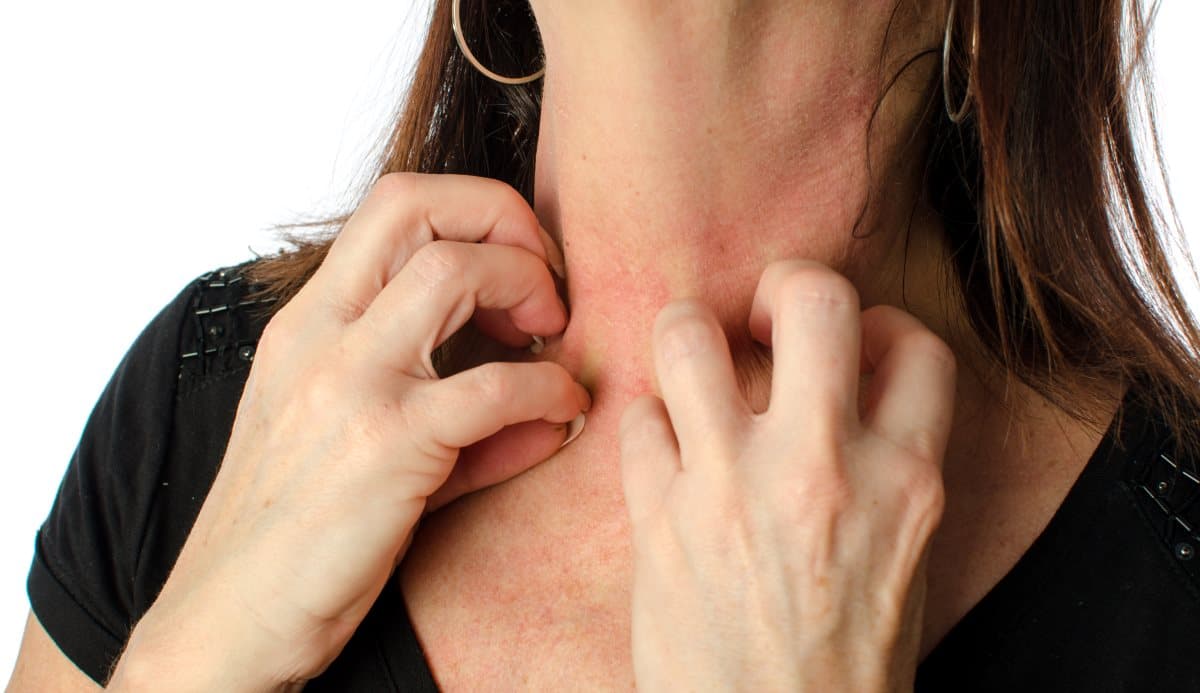
Contact Dermatitis vs. Eczema: How to Tell the Difference
Contact dermatitis vs. eczema can be challenging to distinguish as both conditions cause similar skin symptoms including redness, itching, and inflammation. Contact dermatitis typically develops after direct skin contact with an irritant or allergen, whilst eczema is often a chronic condition with genetic and environmental triggers.
Understanding the differences between these common skin conditions can help you identify potential triggers and determine when to seek appropriate healthcare guidance. Both conditions may benefit from allergy testing to identify specific triggers that could be contributing to your symptoms.
When to Seek Urgent Help
Before exploring testing options, it is important to know when a skin or allergic reaction requires immediate medical attention.
Call 999 or go to A&E if you or someone else experiences:
- Difficulty breathing, wheezing, or a feeling of the throat closing
- Swelling of the lips, tongue, or throat
- Feeling faint, dizzy, or collapsing
- Severe, widespread hives appearing rapidly after exposure to a known or suspected trigger
- A combination of skin changes, breathing problems, and feeling unwell
These may be signs of anaphylaxis, a serious allergic reaction that requires emergency treatment. If an adrenaline auto-injector has been prescribed, use it immediately while waiting for help.
What Is Contact Dermatitis?
Contact dermatitis is an inflammatory skin reaction that occurs when your skin comes into direct contact with a substance that either irritates or triggers an allergic response. This condition typically appears within hours or days of exposure and affects only the areas of skin that came into contact with the triggering substance.
There are two main types of contact dermatitis:
- Irritant contact dermatitis: Caused by harsh substances like chemicals, soaps, or detergents that damage the skin barrier
- Allergic contact dermatitis: Results from an immune system response to specific allergens such as nickel, fragrances, or latex
Contact dermatitis symptoms usually include localised redness, swelling, itching, and sometimes blistering or scaling. The affected area often has well-defined borders that correspond to where the irritant or allergen touched the skin.
Understanding Eczema (Atopic Dermatitis)
Eczema, medically known as atopic dermatitis, is a chronic inflammatory skin condition characterised by recurring episodes of dry, itchy, and inflamed skin. Unlike contact dermatitis, eczema often has a genetic component and typically begins in childhood, though it can develop at any age.
Eczema symptoms may include:
- Dry, scaly patches of skin
- Intense itching, particularly at night
- Red or brown-grey patches
- Small, raised bumps that may leak fluid when scratched
- Thickened, cracked, or scaly skin
The condition tends to affect specific areas such as the insides of elbows, behind knees, and on hands, face, and neck. Eczema symptoms can fluctuate, with periods of improvement followed by flare-ups triggered by various factors.
Key Differences Between Contact Dermatitis and Eczema
| Aspect | Contact Dermatitis | Eczema (Atopic Dermatitis) |
|---|---|---|
| Onset | Develops after direct contact with irritant/allergen | Often begins in childhood; chronic condition |
| Location | Limited to contact area with defined borders | Typically affects flexural areas; more widespread |
| Duration | Resolves when trigger is removed | Chronic with recurring flare-ups |
| Triggers | Specific substances (soaps, metals, plants) | Multiple factors (stress, weather, allergens) |
| Pattern | Corresponds to exposure area | Symmetrical distribution common |
| Family History | Not typically inherited | Often runs in families with allergic conditions |
Practical Insight: Keeping a symptom diary noting when and where skin reactions occur can help identify whether your symptoms follow a pattern consistent with contact dermatitis or the more chronic nature of eczema.
Common Triggers and Allergens
Contact Dermatitis Triggers
Contact dermatitis triggers are typically specific substances that directly touch the skin:
- Metals: Nickel in jewellery, belt buckles, or clothing fasteners
- Cosmetics: Fragrances, preservatives, or specific ingredients in skincare products
- Cleaning products: Detergents, bleach, or household chemicals
- Plants: Poison ivy, oak, or other botanical irritants
- Rubber: Latex gloves or elastic materials
- Adhesives: Found in plasters, tape, or medical devices
Eczema Triggers
Eczema triggers are often more varied and can include both environmental and internal factors:
- Environmental allergens such as dust mites, pet dander, or pollen
- Weather changes, particularly dry or humid conditions
- Stress and emotional factors
- Certain fabrics like wool or synthetic materials
- Food sensitivities in some individuals
- Hormonal changes
Understanding your specific triggers through allergy testing can provide valuable insights for managing both conditions effectively.
Diagnostic Approaches and Testing
Identifying whether you have contact dermatitis or eczema often requires careful observation of symptom patterns and potential trigger identification. Healthcare professionals may use several approaches to help determine the most likely cause of your skin symptoms.
For contact dermatitis, patch testing may be recommended to identify specific allergens that trigger reactions. This involves applying small amounts of common allergens to the skin under patches and monitoring for reactions over several days.
For eczema diagnosis, healthcare providers typically assess:
- Personal and family history of allergic conditions
- Symptom patterns and affected areas
- Response to previous treatments
- Potential environmental triggers
Blood allergy testing can also provide useful information about IgE-mediated allergic responses that might contribute to either condition. Specific IgE testing can identify sensitivities to environmental allergens, foods, or other substances that may be triggering skin reactions.
Practical Insight: London residents may find that urban environmental factors such as air pollution or specific allergens common in the city contribute to their skin symptoms, making comprehensive allergy testing particularly valuable.
When to Consider Allergy Testing
Allergy testing may be beneficial if you experience:
- Recurring skin reactions with unclear triggers
- Symptoms that don't respond well to standard skincare approaches
- Suspected food or environmental allergen involvement
- Occupational skin reactions
- Family history of allergic conditions
Testing can help identify specific IgE antibodies to common allergens, providing insights into potential triggers for both contact dermatitis and eczema flare-ups. Understanding your allergic sensitivities can guide lifestyle modifications and trigger avoidance strategies.
Managing Symptoms: Prevention and Care
General Skin Care Principles
Regardless of whether you have contact dermatitis or eczema, certain skin care principles can help maintain skin barrier function:
- Use gentle, fragrance-free moisturisers regularly
- Avoid harsh soaps and opt for pH-balanced cleansers
- Keep fingernails short to minimise scratching damage
- Wear breathable, natural fabrics when possible
- Maintain a comfortable home humidity level
Contact Dermatitis Prevention
For contact dermatitis, prevention focuses on identifying and avoiding triggers:
- Read product labels carefully and avoid known irritants
- Wear protective gloves when using cleaning products
- Choose hypoallergenic personal care products
- Test new products on a small skin area first
- Remove jewellery containing potential allergens
Eczema Management
Eczema care often requires a more comprehensive approach:
- Establish consistent skincare routines
- Identify and minimise exposure to personal triggers
- Manage stress through appropriate techniques
- Consider dietary factors if food sensitivities are suspected
- Maintain good sleep hygiene to support skin healing
Practical Insight: UK residents may benefit from adjusting their skincare routine seasonally, as the climate changes from damp winters to variable summers can significantly impact both contact dermatitis and eczema symptoms.
The Role of Environmental Factors
Environmental factors play different roles in contact dermatitis versus eczema. Understanding these differences can help in managing your condition more effectively.
Climate Considerations
In the UK climate, several factors may influence skin conditions:
- Winter months: Central heating and cold, dry air can exacerbate eczema symptoms
- Spring/Summer: Increased pollen levels may trigger both conditions in sensitive individuals
- Humidity changes: Rapid fluctuations can disrupt skin barrier function
- Urban pollution: May contribute to inflammatory skin responses
Workplace Factors
Occupational triggers are particularly relevant for contact dermatitis:
- Healthcare workers exposed to latex or cleaning chemicals
- Food industry employees in contact with common food allergens
- Beauty professionals using various cosmetic products
- Construction workers exposed to cement, metals, or chemical substances
Understanding Test Results
When allergy testing is performed, results can provide valuable insights for both contact dermatitis and eczema management. Understanding what different test results may indicate helps in making informed decisions about trigger avoidance and lifestyle modifications.
IgE Testing Results
Specific IgE blood tests measure antibodies to particular allergens:
- Elevated levels may suggest allergic sensitivisation to tested substances
- Normal levels don't rule out non-IgE mediated reactions or irritant responses
- Results should be interpreted alongside clinical symptoms and exposure history
Interpreting Results in Context
Test results are most meaningful when considered alongside:
- Your symptom patterns and timing
- Known exposure to potential triggers
- Family history of allergic conditions
- Response to previous trigger avoidance attempts
It's important to remember that positive allergy test results don't automatically mean those substances are causing your skin symptoms. Similarly, negative results don't rule out all possible triggers, particularly for irritant contact dermatitis.
Practical Insight: For London-based individuals, testing for common urban allergens such as specific pollens, moulds, or air pollutants may provide particularly relevant insights for managing skin conditions in an urban environment.
Frequently Asked Questions
Can you have both contact dermatitis and eczema at the same time?
Yes, it's possible to have both conditions simultaneously. People with eczema may have compromised skin barriers that make them more susceptible to developing contact dermatitis when exposed to irritants or allergens.
How quickly does contact dermatitis appear after exposure?
Contact dermatitis can develop within minutes to hours for irritant reactions, or take 24-72 hours for allergic contact dermatitis. The timing often depends on the substance involved and individual sensitivity levels.
Is eczema always present from childhood?
While eczema commonly begins in childhood, adult-onset eczema can occur. Factors such as hormonal changes, stress, or new environmental exposures may trigger eczema development later in life.
Can allergy testing help identify contact dermatitis triggers?
Yes, patch testing and specific IgE testing can help identify allergens that may cause contact dermatitis. However, irritant contact dermatitis won't show positive results on allergy tests as it's not an immune-mediated response.
Are there specific allergens more common in London that might affect skin conditions?
London residents may have increased exposure to urban pollutants, specific tree pollens, and higher concentrations of dust mites due to humidity levels, all of which may contribute to skin sensitivity.
How often should someone with recurring skin symptoms consider testing?
If symptoms persist despite basic management approaches, or if new patterns emerge, discussing testing options with healthcare professionals may be beneficial. Testing frequency depends on individual circumstances and symptom changes.
Can stress make both conditions worse?
Yes, stress can exacerbate both contact dermatitis and eczema. Stress may compromise skin barrier function and increase susceptibility to irritants while also triggering eczema flare-ups through various physiological pathways.
Do food allergies contribute to these skin conditions?
Food allergies may contribute to eczema in some individuals, particularly in children. However, food allergies are less commonly associated with contact dermatitis unless there's direct skin contact with the allergenic food.
Can weather changes trigger both conditions?
Weather changes can affect both conditions but in different ways. Eczema may flare with humidity or temperature changes, whilst contact dermatitis might worsen if weather changes increase exposure to triggers like certain plants or require different clothing materials.
Is it worth getting tested if symptoms are mild?
Even mild symptoms can benefit from understanding potential triggers, as early identification and avoidance strategies may prevent symptoms from worsening over time and improve overall quality of life.
Supporting Your Skin Health Journey
Understanding the differences between contact dermatitis and eczema empowers you to make informed decisions about managing your skin health. Whether your symptoms suggest contact dermatitis from specific triggers or the chronic nature of eczema, identifying potential allergens through appropriate testing can provide valuable insights.
If you're experiencing recurring skin symptoms that affect your daily life, consider booking an allergy consultation to better understand your individual triggers. Our nurse-led clinic provides thorough testing and detailed reporting to help you and your healthcare providers make informed decisions about your skin health management.
Taking a proactive approach to understanding your skin condition can lead to better symptom management and improved quality of life. With the right information and support, managing either contact dermatitis or eczema becomes a more manageable part of maintaining your overall wellbeing.