How to Wash Clothes to Kill Dust Mites: Temperature Guide
Washing clothes at the correct temperature to kill dust mites requires water heated to at least 60�C (140�F) for a minimum of 10 minutes. This temperature effectively eliminates dust mites and reduces allergen levels in fabrics, helping to manage symptoms associated with dust mite sensitivity.
For individuals experiencing unexplained respiratory symptoms, skin reactions, or sleep disturbances, understanding proper washing techniques for dust mite elimination can form part of a comprehensive approach to environmental allergen management.
When to Seek Urgent Help
While dust mite sensitivity typically causes chronic, low-grade symptoms, it is important to recognise when a reaction requires immediate medical attention.
Call 999 or go to A&E if you or someone else experiences:
- Difficulty breathing, wheezing, or a feeling of the throat closing
- Swelling of the lips, tongue, or throat
- Feeling faint, dizzy, or collapsing
- A severe allergic reaction following environmental exposure
These may be signs of anaphylaxis, a serious allergic reaction requiring emergency treatment. If an adrenaline auto-injector has been prescribed, use it immediately while waiting for help.
Understanding Dust Mites and Fabric Contamination
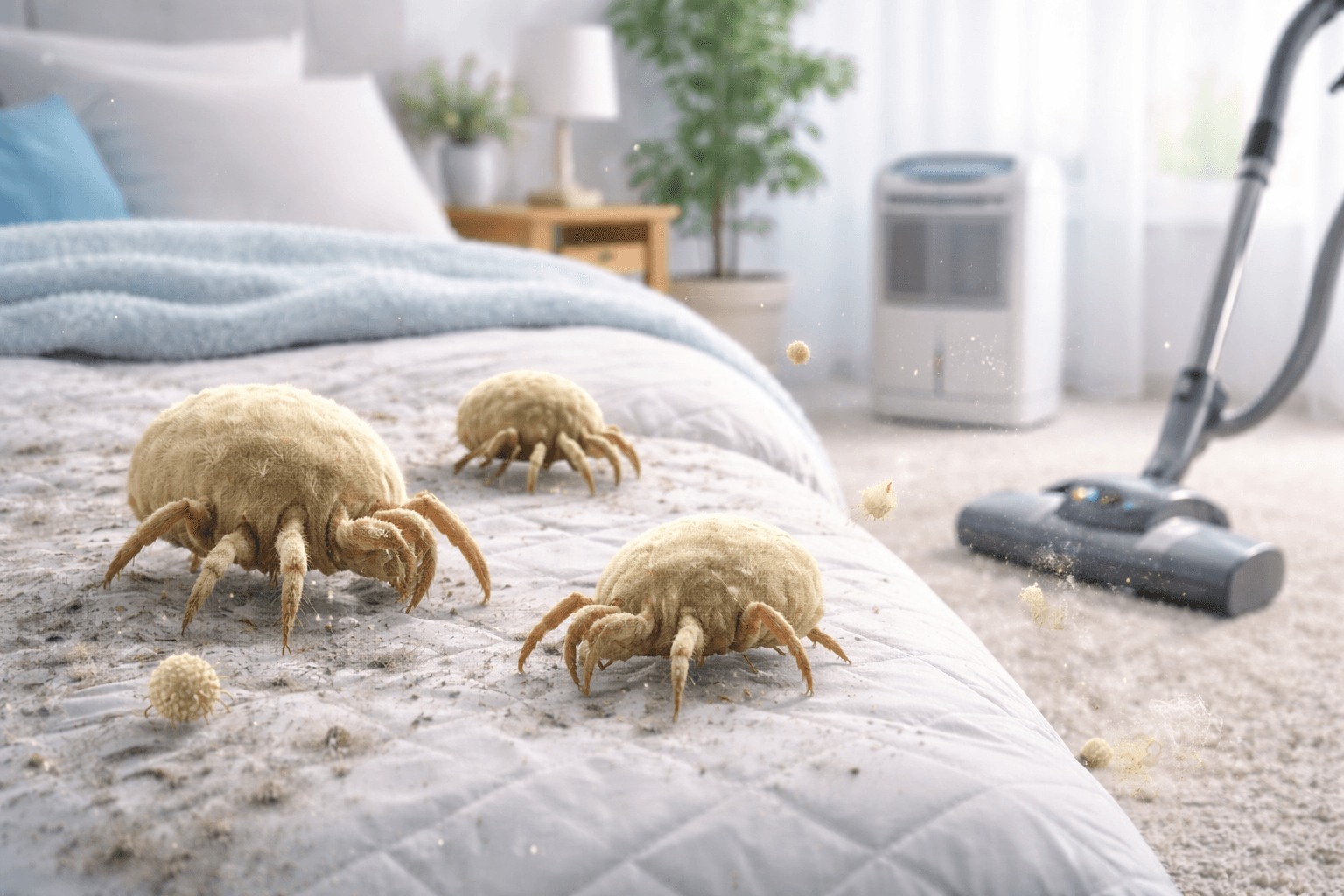
Dust mites are microscopic arthropods that thrive in warm, humid environments, particularly in bedding, clothing, and soft furnishings. These creatures feed on dead skin cells and can be found in concentrations of thousands per gram of household dust.
The challenge with dust mite management lies not only in the living organisms but also in their waste products and decomposed remains, which can trigger allergic responses. These allergens become embedded in fabric fibres and require specific washing conditions for effective removal.
Practical Insight: Regular washing at appropriate temperatures can significantly reduce dust mite populations and allergen loads in textiles, potentially supporting better indoor air quality.
Temperature Requirements for Effective Dust Mite Elimination
Hot Water Washing Guidelines
The most reliable method for killing dust mites involves washing fabrics in water heated to 60�C (140�F) or higher. This temperature threshold is critical because:
- 60�C (140�F): Minimum temperature for killing adult dust mites
- 70�C (158�F): More effective for allergen protein denaturation
- 80�C (176�F): Maximum effectiveness for both mites and allergen removal
Washing Machine Temperature Settings
| Temperature Setting | Celsius | Fahrenheit | Effectiveness |
|---|---|---|---|
| Cool/Cold | 20-30�C | 68-86�F | Ineffective |
| Warm | 40-50�C | 104-122�F | Limited |
| Hot | 60�C+ | 140�F+ | Highly Effective |
| Very Hot | 70-80�C | 158-176�F | Maximum |
Practical Insight: Many UK washing machines offer specific allergen cycles that maintain optimal temperatures for dust mite elimination while protecting fabric integrity.
Washing Techniques for Different Fabric Types
Bedding and Linens
Bed sheets, pillowcases, and duvet covers should be washed weekly at 60�C minimum. These items have the highest exposure to dead skin cells and moisture, creating ideal conditions for dust mite proliferation.
For delicate fabrics that cannot withstand high temperatures, consider:
- Freezing items overnight before washing at lower temperatures
- Using dust mite-specific laundry additives
- Replacing with washable synthetic alternatives
Clothing Items
Regular clothing may require different approaches:
- Cotton and synthetic blends: Generally tolerate 60�C washing
- Wool and delicate fabrics: May require specialist allergen sprays or dry cleaning
- Children's clothing: Requires careful balance between mite elimination and fabric preservation
Soft Furnishings
Curtains, cushion covers, and removable upholstery should be washed monthly at the highest temperature the fabric can tolerate. Non-removable items may benefit from steam cleaning at temperatures exceeding 60�C.
Who Should Consider Enhanced Dust Mite Washing Protocols
Individuals who may benefit from implementing strict dust mite washing procedures include those experiencing:
- Persistent morning respiratory symptoms
- Unexplained skin irritation or eczema flare-ups
- Sleep disturbances related to congestion or breathing difficulties
- Symptoms that worsen in bedroom environments
For those suspecting dust mite sensitivity, allergy testing services can help identify specific triggers through comprehensive allergen screening.
Practical Insight: Environmental allergen testing can provide objective data about dust mite allergen levels in your living space, helping to guide washing frequency and other mitigation strategies.
Washing Frequency Recommendations
Daily Items
- Pillow protectors: Weekly at 60�C
- Bed sheets: Weekly at 60�C minimum
- Pyjamas: Every 2-3 wears at high temperature
Weekly Items
- Duvet covers and blankets: 60�C wash
- Bath towels: Hot wash with extended rinse cycle
- Frequently worn clothing: High-temperature wash when possible
Monthly Items
- Mattress protectors: 70�C wash if fabric permits
- Curtains and drapes: Hottest recommended temperature
- Cushion covers and throws: According to care label maximums
In London's humid climate, more frequent washing may be necessary during summer months when dust mite populations typically peak.
Understanding Washing Results and Effectiveness
Measuring Success
Effective dust mite washing protocols should result in:
- Reduced morning respiratory symptoms
- Improved sleep quality
- Decreased skin irritation in sensitive individuals
- Lower measured allergen levels in regular household dust testing
What Results May Indicate
Continued symptoms despite proper washing techniques may suggest:
- Other environmental allergens requiring investigation
- Inadequate washing machine temperature calibration
- Need for additional environmental controls beyond laundry management
- Possible sensitivity to multiple allergen sources
For individuals in London seeking objective assessment of their environmental allergen exposure, understanding whether a dust mite allergy is the primary concern or part of a broader allergenic environment can inform washing frequency and mitigation strategies.
Advanced Washing Strategies
Detergent Selection
Choose detergents that:
- Maintain effectiveness at high temperatures
- Contain enzymes for protein breakdown
- Include anti-allergen formulations where available
- Rinse cleanly without residue buildup
Drying Considerations
Post-wash drying significantly impacts dust mite control:
- Tumble drying: High heat settings further reduce mite survival
- Line drying: UV exposure provides additional antimicrobial benefits
- Indoor drying: Ensure adequate ventilation to prevent humidity buildup
Machine Maintenance
Regular washing machine maintenance supports effective dust mite elimination:
- Monthly hot wash cycles without laundry to clean internal components
- Descaling to maintain optimal temperature delivery
- Door and seal cleaning to prevent mould and bacteria buildup
Practical Insight: Well-maintained washing machines deliver more consistent temperatures, improving the reliability of dust mite elimination protocols.
Environmental Considerations Beyond Washing
Humidity Control
Maintaining indoor humidity below 50% significantly reduces dust mite survival rates, even in fabrics that cannot be washed at high temperatures.
Integrated Allergen Management
Effective dust mite control typically requires combining proper washing protocols with:
- Regular vacuuming with HEPA filtration
- Dust mite-proof mattress and pillow encasements
- Air purification systems
- Strategic furniture and d�cor choices
For London residents dealing with multiple environmental sensitivities, exploring indoor and environmental allergies can help prioritise management strategies.
Cost-Effective Implementation
Energy Efficiency Balance
While high-temperature washing is essential for dust mite control, consider:
- Running full loads to maximise energy efficiency
- Using shorter hot cycles where fabrics permit
- Combining dust mite washing with other household hot wash requirements
- Investing in energy-efficient appliances for long-term savings
Fabric Longevity
Protect clothing and linens while maintaining mite control:
- Reserve highest temperatures for items that can tolerate them
- Use fabric-appropriate cycles and spin speeds
- Consider replacement schedules for heavily washed items
- Invest in higher-quality fabrics that withstand frequent hot washing
Frequently Asked Questions
What temperature kills dust mites in washing machines?
Water temperature of 60�C (140�F) or higher effectively kills dust mites. Maintaining this temperature for at least 10 minutes ensures reliable elimination of both mites and many allergens.
Can you kill dust mites with cold water washing?
Cold water washing alone cannot reliably kill dust mites. However, combining cold water with specific allergen-reducing detergents may help remove some allergens, though this approach is less effective than hot water washing.
How often should I wash bedding to control dust mites?
Bedding should be washed weekly at 60�C minimum to maintain effective dust mite control. More frequent washing may be beneficial during humid weather or for individuals with severe sensitivities.
Do all washing machines reach high enough temperatures for dust mite control?
Most modern UK washing machines can reach 60�C, but older models may not maintain consistent temperatures. Consider having your machine's temperature accuracy checked if dust mite control seems ineffective.
What fabrics cannot be washed at dust mite killing temperatures?
Silk, wool, cashmere, and many synthetic blends may be damaged by 60�C+ washing. These items may require alternative treatments such as freezing, steam cleaning, or replacement with washable alternatives.
Does tumble drying help kill dust mites?
High-temperature tumble drying provides additional dust mite elimination and helps remove remaining allergens. The combination of hot washing followed by hot drying is most effective for comprehensive mite control.
Can dust mite allergens survive hot water washing?
While hot water washing kills dust mites effectively, some allergen proteins may require additional measures such as extended rinse cycles or enzyme-based detergents for complete removal from fabric fibres.
How do I know if my dust mite washing protocol is working?
Successful dust mite washing may result in reduced morning symptoms, better sleep quality, and decreased allergic reactions. Objective assessment can be achieved through environmental allergen testing and monitoring symptom patterns.
Professional Assessment and Support
Understanding whether dust mites are contributing to your symptoms requires careful evaluation of environmental factors, symptom patterns, and potentially specific allergen testing. Our nurse-led clinic provides comprehensive allergy screening services to help identify environmental triggers and guide effective management strategies.
For London residents experiencing persistent symptoms that may relate to environmental allergens, professional testing can provide valuable insights into the effectiveness of current washing protocols and identify additional management needs.
Taking a proactive approach to environmental allergen management, including proper washing techniques for dust mite control, can contribute to improved comfort and well-being in your daily environment.